Y-2 AC Electromagnetic Yoke for Non-destructive Testing
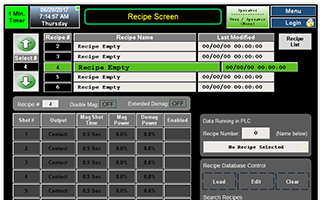
5 Ways to Improve Magnetic Particle Processing Efficiency and Reliability

How to Increase High-Volume NDT Inspection Speed and Reliability with LED UV Lighting [Case Study]
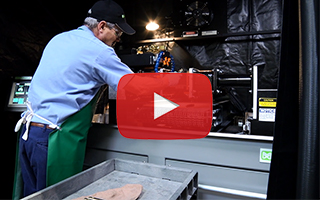
Multi-directional Mag Particle Inspection Equipment
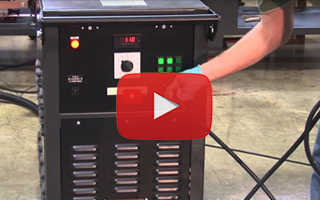
Adaptable Mobile Power Packs for Magnetic Particle Inspection
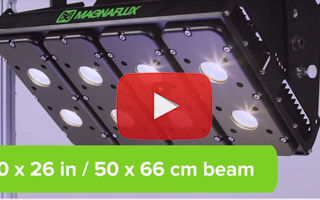
Stationary LED UV Lamp for NDT Inspections
New Mounting System for Overhead UV-A Lamps
Liquid Penetrant Equipment – Customized Solutions for Unique Needs
About the EV6000 Handheld LED UV Lamp
How to Do Fluorescent Mag Particle Inspections
Differences of Using Multi-Directional and Uni-Directional
![5 Things to Consider When Choosing a Mag Particle Yoke [Checklist]](/Files/Images/Blog-Images/06042019-Titan-Thumbnail.png "5 Things to Consider When Choosing a Mag Particle Yoke [Checklist]")
5 Things to Consider When Choosing a Mag Particle Yoke [Checklist]
Mag Particle Carrier Settling Test Performance

4 Reasons to Upgrade Your MPI Wet Bench
8 System Performance Tools for Magnetic Particle Inspection

10 Misunderstandings about Magnetic Particle Testing
How to Do Visible Magnetic Particle Inspections
Exposing 10 Common Misunderstandings about Penetrant Testing
![The Ultimate Guide to Visible Dye Penetrant Testing [Video]](/Files/Images/Blog-Images/LPI-Infograpihc-Thumbnail_320x200px.png?Medium "The Ultimate Guide to Visible Dye Penetrant Testing [Video]")
The Ultimate Guide to Visible Dye Penetrant Testing
How to Do Fluorescent Liquid Penetrant Testing
Why Does ASTM E3022 Require a Filter for LED UV Lamps?
A Guide to AMS 2644 Penetrant Sensitivity Levels

ASTM E1417: Key Changes and Updates
How to Calibrate Your MPI Equipment in 5 Steps
What are the Differences Between Developers, and Which Should I Use For Penetrant Inspections?
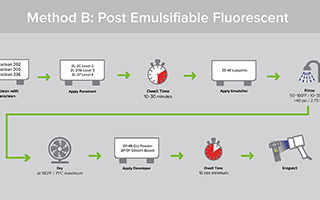
Understanding Emulsifiers and Knowing When to Use Them
Does Magnetic Particle Size Matter?

How to Pick the Right Ultrasonic Couplant for Your Application
Better Weld Inspections with Dye Penetrant [Case Study]

ASTM E1444: Key Changes and Updates
Use of Method D Hydrophilic Emulsifier

Why Penetrant Removability is Important, Not Just Sensitivity

A Guide to ASTM E3024 Standard Practice for Magnetic Particle for General Industry
How Low Temperatures Impact Dye Penetrant Testing
How Brightness and Contrast Impact NDT Inspections
5-Point Guide to Yoke Best Practices
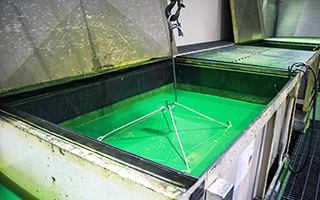
How to Maintain Penetrant Testing System Performance
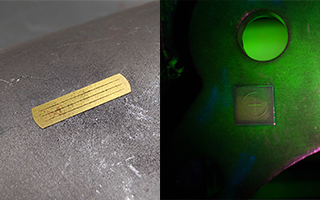
Breaking Down How to Use Magnetic Flux Indicators and QQIs
Understanding Safety Data Sheets: Do You Know What’s in the Chemicals You Handle?
How to Select the Right UV-A Lamp for Your NDT Needs [Checklist]
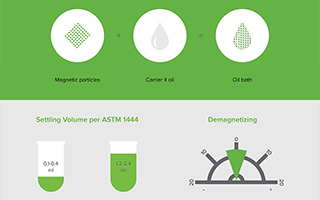
5 Quick Tips for Mag Particle Testing [Infographic]
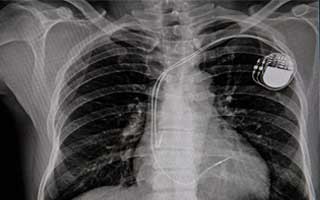
Magnetic Field Safety Guidelines for Pacemakers
4 Level III Daily Responsibilities
Shedding Light on ASTM E2297 & E3022: A Guide to NDT UV Lamp Standards

NRTL: What Does It Mean and Why Does It Matter?
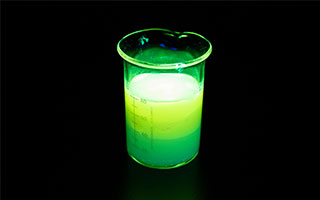
9 Daily Performance Checks for Liquid Penetrant Inspection Systems
New Magnaflux Magnetic Particle Wet Bench for High Speed Inspections
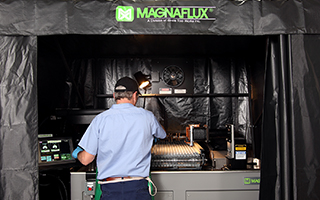
How to Do Preventative Maintenance for Magnetic Particle Equipment
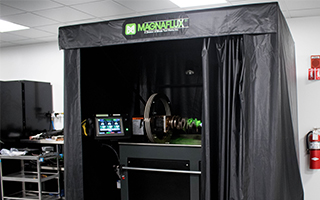
Multidirectional Magnetization for Magnetic Particle Inspection
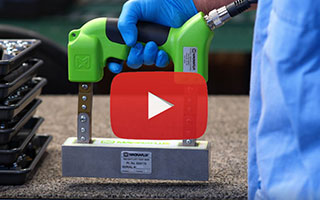
3 Reasons to Try the Y-2 Yoke

What is Method A(W)?
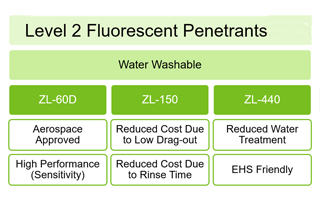
How to Select a Level 2 Fluorescent Penetrant

Leak Detection with Penetrant Testing Process
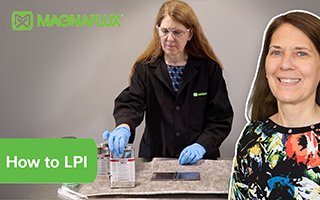
How to Do Visible Dye Penetrant Testing

6 Factors to Get the Best Aqueous Cleaning Results
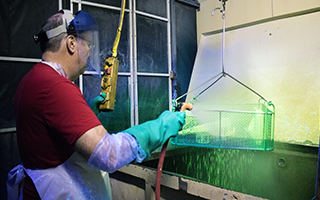
Water Washable versus Post Emulsifiable Penetrant – Which is Right for You?
![What You Need to Start-up In-house Testing [Checklist]](/Files/Images/Blog-Images/03162021-Titan-Thumbnail.jpg "What You Need to Start-up In-house Testing [Checklist]")
What You Need to Start-up In-House Testing [Checklist]

Understanding Aqueous Cleaning
Understanding the Magnaflux Shelf Life Statement for NDT Chemicals

Sustainable Products from Magnaflux
What are Secondary Processing and Finishing Discontinuities?
What are Primary Processing Discontinuities?

What are In-Service Discontinuities?

What are Inherent Discontinuities?
Defects vs. Discontinuities: Which is Which?

Factors to Consider When Choosing an Ultrasonic Couplant

Key Sustainability Issues for NDT

Benefits of Using Developer During Liquid Penetrant Inspection [Case Study]
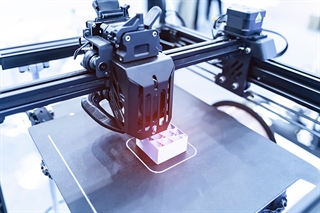
What is Additive Manufacturing?
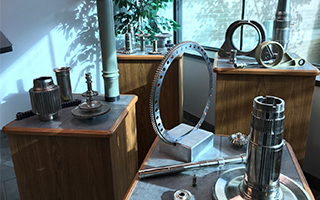
How Integrated Techniques Can Ease the Pain of Part Variability
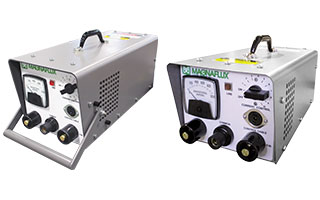
3 Ways Magnaflux Improved Power Pack MPI Application
![The Ultimate Guide to Fluorescent Penetrant Testing [Infographic]](/Files/Images/Blog-Images/01282020-Titan-Thumbnail.jpg "The Ultimate Guide to Fluorescent Penetrant Testing [Infographic]")
The Ultimate Guide to Fluorescent Penetrant Testing [Infographic]
EV6000 Hand-held UV Lamp Demo and Q&A [Webinar]
Tips for NDT Drying Cycles and How to Get the Best Results
![360° Sprayer on WCP-2 White Contrast Paint Aerosol [Video]](/Files/Images/Blog-Images/09182020-Titan-Thumbnail.jpg "360° Sprayer on WCP-2 White Contrast Paint Aerosol [Video]")
360° Sprayer on WCP-2 and 7HF Aerosols

NDT Visible Liquid Penetrant Aerosol Coverage Test
![Lightweight and Heavy Duty Magnetic Particle Inspection Yoke [New Product]](/Files/Images/Blog-Images/07252019-Titan-Thumbnail.jpg "Lightweight and Heavy Duty Magnetic Particle Inspection Yoke [New Product]")
Lightweight and Heavy Duty Magnetic Particle Inspection Yoke

3 Facts About LED Optics and The Impact of Ultraviolet Light
![5 Things to Consider When Choosing a Mag Particle Yoke [Checklist]](/Files/Images/Blog-Images/07232019-Titan-Thumbnail.jpg "5 Things to Consider When Choosing a Mag Particle Yoke [Checklist]")
4 Habits of NDT Aerosol Safe Handling
4 Monthly Checks Required for all LED Inspection-Grade Lamps
9 Magnetic Particle Technique Requirements to Document for Nadcap [Checklist]

A Primer on Magnetic Particle Inspection [SlideShare]
A Primer on System Performance Checks for High Volume NDT Inspections
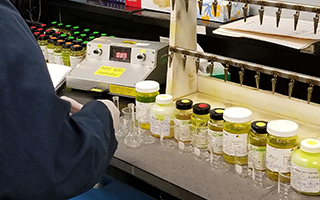
AMS 2644 Revision G: Key Changes and Updates
![Carrier II Comparison to Water Baths Effect on Mag Particle Wet Bench Lifespan [Case Study]](/Files/Images/Blog-Images/02252020-Titan-Thumbnail.jpg "Carrier II Comparison to Water Baths Effect on Mag Particle Wet Bench Lifespan [Case Study]")
Carrier II Comparison to Water Baths Effect on Mag Particle Wet Bench Lifespan [Case Study]
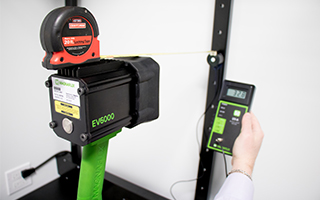
Complying with Airbus AITM Requirements – How to Check UV Stability

Defining IP Ratings for Electronics Used in Mag Particle Testing & Liquid Penetrant Testing

Does Developer Dry Time Impact Indication Strength?
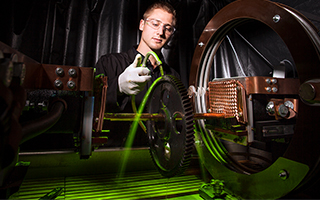
Frequently Asked Questions About NDT Carrier Fluid
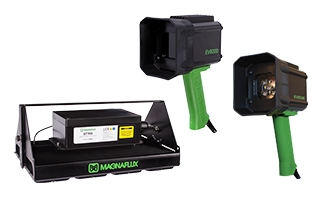
Frequently Asked Questions About NDT UV LED Lamps
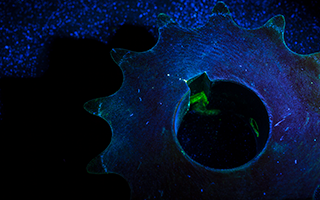
Higher Sensitivity Penetrant Improves Inspection Quality [Case Study]

How to Comply with NADCAP AC7114 Requirements for LED UV Lamps

How to Improve Fluorescent NDT Process Control with LED UV Lighting [Case Study]

How to Troubleshoot & Resolve NDT Cleaning Problems
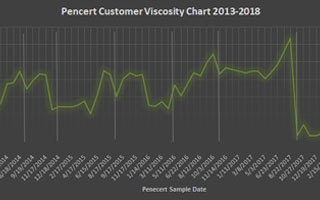
How Water Content Affects Viscosity of Fluorescent Penetrant [Case Study]
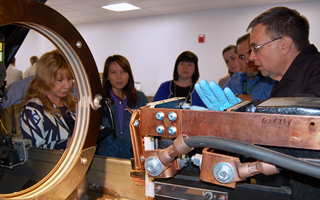
Importance of Using Magnaflux Authorized Service Centers
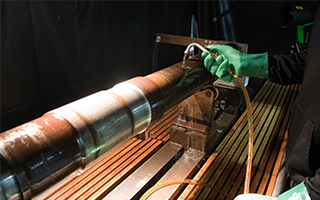
Importance of Using the Correct Oil for Magnetic Particle Inspection

Magnetic Particle Equipment – Customized Solutions for Unique Needs
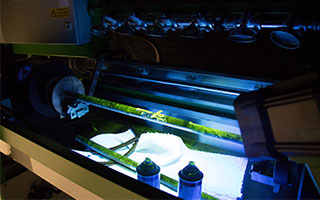
Magnetic Wet Bench Saves $75,833 a Year with Improved Speed and Efficiency [Case Study]
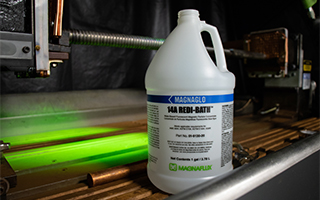
Maintenance of Oil and Water Baths for Magnetic Particle Inspection
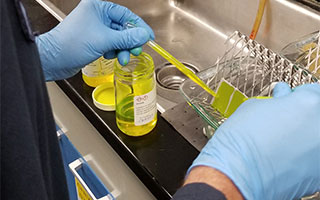
More Than Just Test Results, PeneCert™ Test Services is a Partnership
NDT UV Lamps “Stabilize” vs “Warm Up”, What’s the Difference?

New High-Intensity, Dual-Light LED UV Lamp for NDT Pros
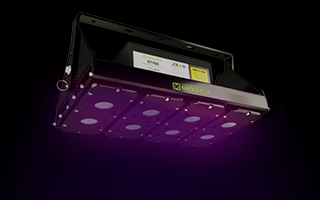
New Stationary LED Inspection UV Lamp for NDT Pros
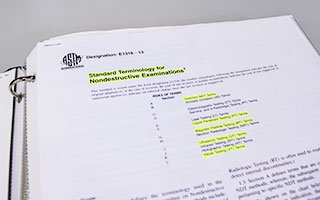
Overview of Liquid Penetrant Inspection and Magnetic Particle Inspection Specifications
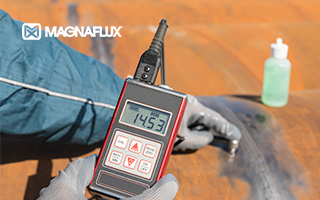
Performance Factors to Consider During Ultrasonic Testing

Prepare for Penetrant Testing Success with the Right Precleaning
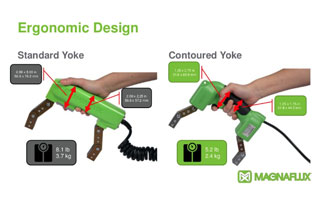
Proactive Ergonomics for MT Field Inspection Can Improve Your Bottom Line [SlideShare]
![Protective Armor Inspection with Zyglo Penetrant [Case Study]](/Files/Images/Blog-Images/11272018-Titan-Thumbnail.jpg "Protective Armor Inspection with Zyglo Penetrant [Case Study]")
Protective Armor Inspection with Zyglo Penetrant [Case Study]

Reducing Particle Loss During Mag Particle Testing [Case Study]
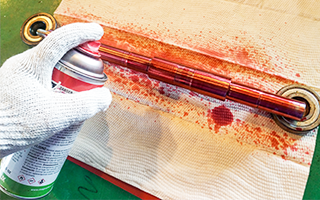
Selecting A Dye Penetrant Method [Checklist]
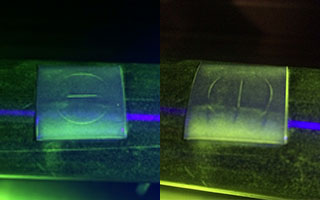
System Performance Check for Mag Particle Benches
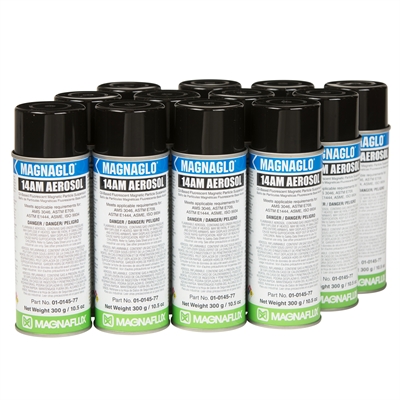
The Clear Choice

The NDT Guide to Answering: What Do You Do?
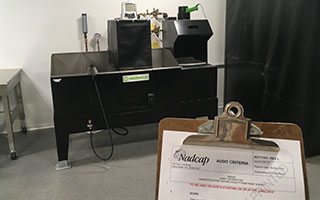
Understanding Nadcap System Performance Check and Known Defect Standards

Understanding PeneCert Test Services [SlideShare]
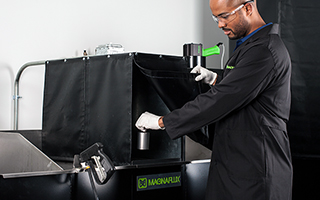
Understanding Type-, Batch- and In-Use-Testing for Liquid Penetrants [Case Study]

Understanding Wet Method Magnetic Particle Testing Carrier II [SlideShare]
![Use of Solvent Based Developer for 3D Scanning [Case Study]](/Files/Images/Blog-Images/10202020-Titan-Thumbnail.jpg "Use of Solvent Based Developer for 3D Scanning [Case Study]")
Use of Solvent Based Developer for 3D Scanning [Case Study]
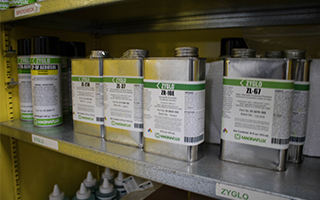
Using Fluorescent Penetrant for Ventilation System Leak Detention [Case Study]
UV-A Intensity: What’s Special About 5,000 µW?

What Do I Do If My Penetrant Freezes!?

What Value Does ISO 9001 Add?
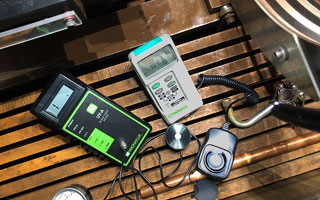
Why Do I Get Over 2 Foot-Candle / 20 Lux Visible Light from My LED UV-A Lamp?